
Choosing The Right Standing Seam Profile For Commercial Projects
The right standing seam profile depends on your project’s structural demands, environmental exposure and design intent. Mechanically seamed profiles are typically used for higher performance requirements, while snap-lock and specialty profiles offer flexibility in installation and appearance. Understanding these differences helps ensure the system aligns with long-term project needs.
What Is A Standing Seam Profile?
A standing seam profile defines the shape, seam configuration and connection method of metal panels within a standing seam system. These characteristics influence how panels interlock, how they respond to thermal movement and how the system performs under real-world conditions.
For commercial applications, profile selection is a technical decision. It affects durability, weather resistance and how well the system integrates with the building’s structure and design.
Types Of Standing Seam Metal Roof Profiles
Mechanically Seamed Profiles
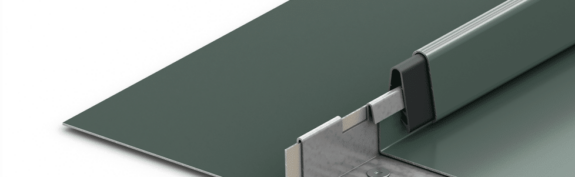
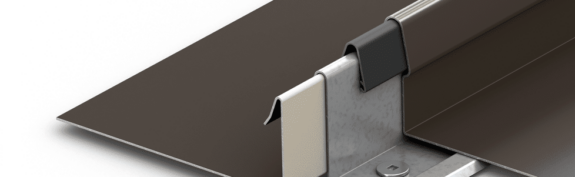
Mechanically seamed systems use a crimping process to lock adjacent panels together, creating a continuous seam.
These profiles are typically specified for projects with higher performance demands, such as increased wind exposure or stricter weather resistance requirements. Their seam configuration provides a secure connection designed for long-term reliability.
Snap-Lock And Field-Locked Profiles
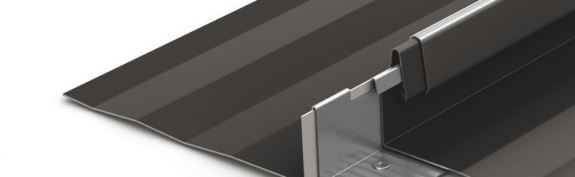
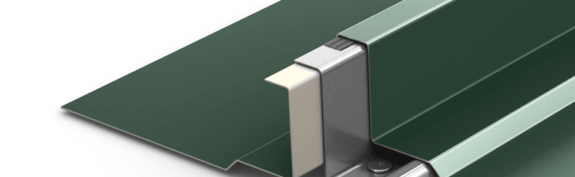
Snap-lock and field-locked systems connect panels without full mechanical seaming, through concealed clips and interlocking seams.
They are often selected for projects where installation efficiency is a priority and structural demands allow for a less complex seam configuration. These systems still deliver dependable performance, but are typically used in conditions that do not require maximum seam strength.
Specialty And Custom Profiles
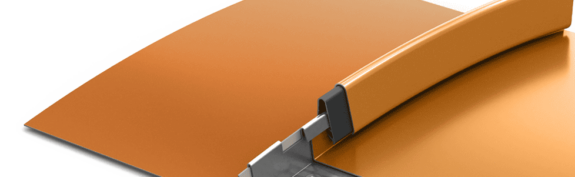
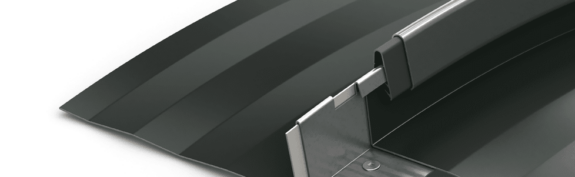
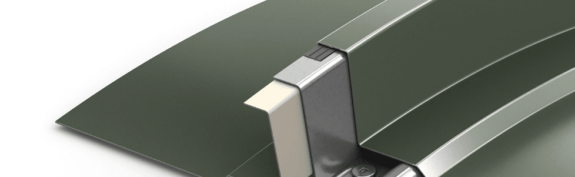
Some projects require profiles that go beyond standard panel configurations. Curved or tapered systems are designed to accommodate complex roof geometry and specific architectural intent.
These profiles support greater design flexibility while maintaining the performance benefits associated with standing seam systems.
Explore Standing Seam Profile Options
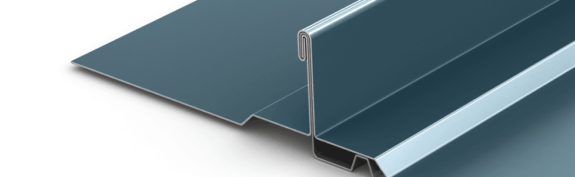
Berridge offers a range of standing seam panel profiles designed to meet different structural and architectural requirements. Options such as the Tee-Panel, High Seam Tee-Panel, and Tee-Lock Panel are commonly used for projects requiring enhanced structural performance, while systems like the Cee-Lock Panel and Zee-Lock Panel provide efficient installation with dependable performance.
For projects with more complex geometry, curved or tapered panel options are available, including variations of Tee-Panel and Zee-Lock systems that accommodate unique design requirements.
Explore each profile to better understand how seam configuration, panel geometry and attachment methods influence system performance and visual outcome within standing seam systems
Key Factors That Influence Profile Selection
Structural Performance
Panel span capability, load requirements, and wind uplift resistance all play a role in determining the appropriate profile. More demanding structures often require profiles with greater rigidity and engineered attachment systems.
Environmental Exposure
Weather conditions should guide system selection. Projects exposed to high winds, heavy rainfall or temperature extremes often benefit from profiles designed for enhanced weather resistance.
Thermal Movement
Metal panels expand and contract with temperature changes. Profile design, clip systems and panel length all influence how well a system manages this movement over time.
Design Intent
Standing seam profiles contribute to the overall appearance of a building. Seam height, panel width and configuration can create either a subtle or more defined visual effect, depending on the project goals.
Installation Considerations
Jobsite conditions, construction timelines and available equipment can influence profile selection. Some systems require specialized tools or processes, while others are designed for efficient field application.
How To Choose The Right Standing Seam Profile
Selecting a standing seam profile starts with identifying the project’s primary priorities. Structural performance, environmental conditions and architectural goals should be evaluated together rather than in isolation.
Reviewing available systems side by side can help clarify how different profiles compare in terms of seam design, panel geometry and application flexibility. This approach supports more informed specification decisions and reduces the risk of misalignment between design intent and system performance.
Explore available standing seam systems and compare profile options to evaluate which best aligns with your project requirements.
When Profile Selection Matters Most
Profile selection has the greatest impact on projects involving complex design or demanding conditions. This includes structures with long panel runs, high wind exposure or unique architectural geometry.
In these situations, choosing the appropriate profile supports both installation success and long-term system performance.
Moving Forward With The Right System
Choosing between standing seam profiles requires balancing performance requirements with design intent. By evaluating how different profile types respond to structural demands and environmental conditions, project teams can select a system that supports reliable, long-term results.
For additional guidance or to review available options, contact Berridge Manufacturing or speak with a representative to explore standing seam systems that align with your project goals.