Understanding The Materials Behind A Metal Roof
Metal roof gauge describes the thickness of steel, with lower numbers indicating thicker material. A 22-gauge panel is thicker than a 24-gauge panel, while aluminum is specified by decimal thickness instead of gauge. The substrate and coating also matter because they determine what the roof is made from and how the metal is protected.
Since 1970, Berridge Manufacturing has produced architectural metal roofing products for projects across the country. That experience gives us a practical understanding of how gauge, substrate and coating choices work together within a complete roof specification.
What Does Metal Roof Gauge Mean?
Gauge is a traditional way of describing sheet steel thickness. The numbering works in reverse: A lower gauge represents thicker steel. That means 22-gauge metal roofing is thicker than 24-gauge metal roofing.
This is easy to misunderstand because most numbered measurements increase with size. Metal gauge does the opposite.
Gauge also tells only part of the story. Steel thickness, yield strength, metallic coatings and finish systems all influence cladding performance. A thicker sheet is not automatically the better specification if the chosen panel has not been tested or engineered for the intended assembly.
24-Gauge Metal Roofing Meets Many Architectural Needs
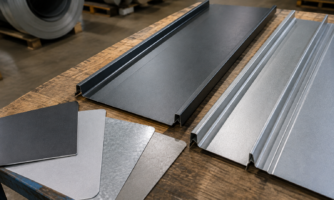
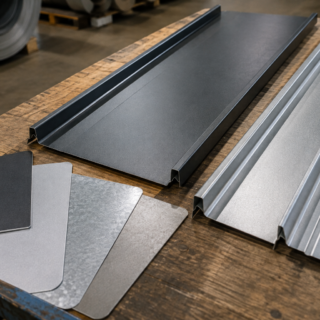
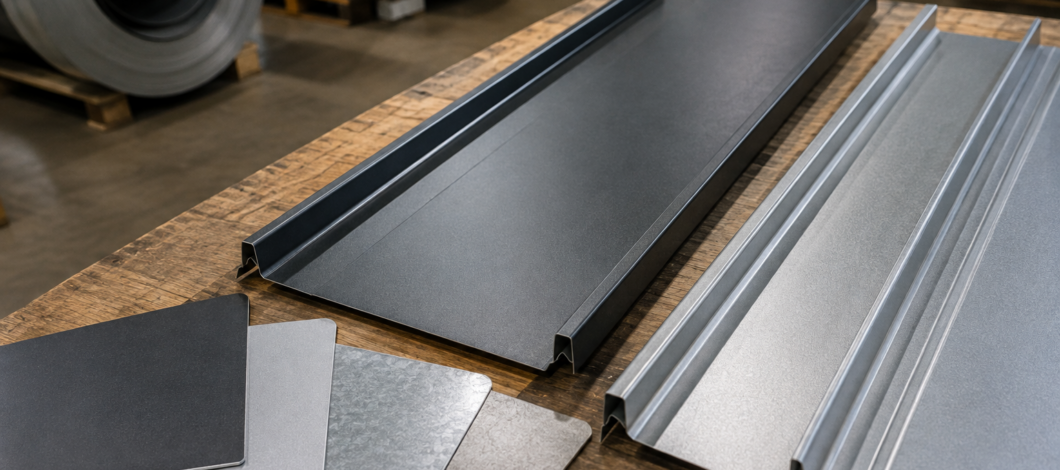
24-gauge metal roofing is widely used for architectural roof systems because it combines dependable strength with the formability needed to manufacture detailed panel profiles. Our team uses 24-gauge Galvalume as our standard steel material for architectural roofing coil and flat sheet.
For specifiers and project teams, this means 24 gauge is not a lesser or lightweight option by default. It is an established architectural specification used across a broad range of projects.
Its suitability still rests on the roofing system as a whole. Panel profile, seam design and support spacing affect how that material performs once installed. Wind requirements and other project-specific loads must also be addressed through the appropriate product data and engineering.
When Does 22-Gauge Metal Roofing Make Sense?
22-gauge metal roofing uses thicker steel than a comparable 24-gauge product. That additional thickness gives the steel greater resistance to bending and deformation, but it also adds weight and affects fabrication.
A project might move toward 22 gauge when its engineering calls for a heavier material or when the selected panel is available and tested in that thickness. The decision should come from performance requirements rather than the assumption that thicker always means better.
Product availability matters as well. Not every metal roof system or panel profile is produced in every gauge. Before placing 22 gauge in a specification, confirm that the selected system is offered in that material and supports the project’s requirements.
We offer optional 22-gauge Galvalume material within our architectural roofing coil and flat sheet line, subject to product and color availability.
Galvalume Is A Coated Steel, Not A Separate Metal
The term “Galvalume metal roof” commonly refers to a roof made from steel sheet protected by an aluminum-zinc alloy coating. Berridge Galvalume consists of 55% aluminum and approximately 45% zinc by weight and is applied in accordance with ASTM A792.
The steel provides the structural base. The Galvalume coating protects that steel from corrosion. This distinction matters because Galvalume and aluminum are not two versions of the same material.
Galvalume-coated steel is a practical choice for many architectural roofing applications because it pairs the strength of steel with a protective metallic coating. It is available with a bare acrylic-coated appearance or beneath a factory-applied color finish, depending on the specification.
Aluminum Metal Roofing Uses A Different Substrate
Aluminum metal roofing is made from aluminum rather than coated steel. Because aluminum does not contain iron, it does not rust in the same way steel does. It is also lighter than steel and is specified by decimal thickness rather than steel gauge. We carry architectural aluminum in 0.032-inch and 0.040-inch thicknesses.
Aluminum often enters the conversation when a building faces aggressive environmental exposure. Even then, the substrate is only one part of the decision. Fastener compatibility, adjacent materials and water runoff paths require attention because contact between dissimilar metals creates its own corrosion concerns.
A Metal Roof Coating Has More Than One Job
“Metal roof coating” is a broad phrase. In a new architectural roof specification, it often refers to one of two distinct layers:
- A metallic coating, such as Galvalume, protects the steel substrate.
- A factory-applied color finish provides the visible surface and protects its appearance.
These layers work together, but they are not interchangeable. Galvalume remains beneath a painted finish when both are specified.
We apply Kynar 500 or Hylar 5000 PVDF resin-based color finishes to our prefinished metal. PVDF finishes are designed for exterior color retention and resistance to chalking. Acrylic-Coated Galvalume is another option for projects seeking the natural metallic appearance of the material rather than an opaque color.
Finish selection should account for the desired appearance and the project environment. It should also remain consistent across the roof, trim and related fabricated components.
Make the Specification About the Roof, Not One Number
A sound metal roof specification identifies a complete, compatible system.
Before finalizing the material, confirm:
- The selected panel is available in the specified substrate and thickness
- Testing or engineering supports the project’s design loads
- The finish is appropriate for the expected exposure
- Fasteners, trim and accessories are compatible with the roof material
- Warranty requirements are reflected in the product selection and installation details
This approach prevents a familiar problem: specifying a desirable material characteristic without confirming that the complete roof assembly supports it.
Build A More Complete Metal Roof Specification
Gauge is important, but it belongs within a larger material decision. Berridge Manufacturing offers technical information for comparing panel systems, Galvalume-coated steel, aluminum and factory-applied finishes. Explore the Berridge Resource Center or connect with a Berridge representative to review product availability for your project.