
Highlights
- Fits the clean, minimal forms common in modern architecture
- Provides design freedom through engineered metal panel systems
- Allows precise control over tone and reflectance
- Boasts long service life and code alignment support long-term project goals
Why Metal Roofs Fit Modern Architectural Language
Modern architecture emphasizes clarity, precision and material honesty. Berridge Manufacturing metal roofing supports that approach by offering strength, predictable behavior and clean geometric control.
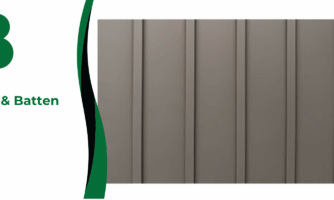
Standing seam profiles reinforce vertical rhythm, while concealed fastener options maintain a visually quiet surface on low-slope conditions. Because metal transitions smoothly between roof, wall and soffit assemblies, architects often use it to create cohesive building envelopes that read as a single, intentional composition.
Key Design Advantages Of Metal Roofing
- Long, uninterrupted roof planes that support modern minimalism
- Custom panel shaping for asymmetrical or nonstandard forms
- Standing seam profiles that create consistent, controlled shadow lines
- Smooth transitions between roof, fascia and wall cladding
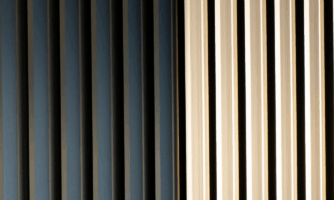
- Matte, low-gloss or textured finishes suited to contemporary palettes
Performance That Supports The Architecture
A roof must perform consistently over time for the architecture to hold its intended form. Metal roofing provides dependable performance without compromising design intent. Its resistance to warping, cracking and surface deterioration allows architectural linework to remain intact for decades.
High wind uplift ratings support projects in regions with stricter code paths and exposure categories. Mechanically seamed systems deliver reliable weather protection across both steep-slope and low-slope conditions. Fire resistance — often achieved through Class A assemblies — reinforces its position in commercial, institutional and high-end residential projects.
Energy And Code Considerations
Energy performance is no longer a secondary concern. It’s a core part of modern design. Metal roofing aligns well with contemporary standards through reflective coatings, ventilated assemblies and predictable thermal behavior. These characteristics support accurate modeling and simplify compliance with state and national codes.
Metal also pairs well with solar mounting hardware. Its structural stability and compatibility with mounting hardware make it a straightforward choice for projects targeting LEED, Net-Zero or other aggressive energy benchmarks.
Sustainability Features That Matter In Modern Projects
- High recycled content and full recyclability at end-of-life
- Reduced replacement cycles compared to short-lifespan roofing materials
- Compatibility with solar mounting systems and Net-Zero goals
- Cool roof finishes that support energy modeling and heat-island reduction
- Lower environmental impact over decades due to long service life
Coatings And Finishes That Refine The Design
Current coating technologies give architects practical control over color, gloss and surface consistency. PVDF systems (such as Kynar 500®) maintain color stability over long time spans. Textured coatings help reduce oil canning and support smoother visual surfaces. Matte and ultra-matte finishes align with contemporary restraint, while metallic and mica options create small shifts in tone that change with daylight exposure.
Together, these options allow the roof to contribute to the architecture’s form rather than distract from it.
Lifecycle Value Owners Pay Attention To
Although metal may cost more upfront, owners increasingly evaluate roofing by total lifecycle value rather than initial investment. Metal systems need less maintenance, support a consistent appearance and remain stable through long periods of exposure. For commercial, institutional and high-end residential projects, these long-term advantages carry significant weight.
Metal Roofing Designed For Your Business
Architects choose metal roofing because it reinforces the priorities of modern design: clarity, precision, longevity and material coherence. With its blend of structural reliability, aesthetic versatility and long-term performance, metal has become a preferred material for contemporary building envelopes. It’s not just a roofing option but a design asset.